The AI Revolution in Software Engineering
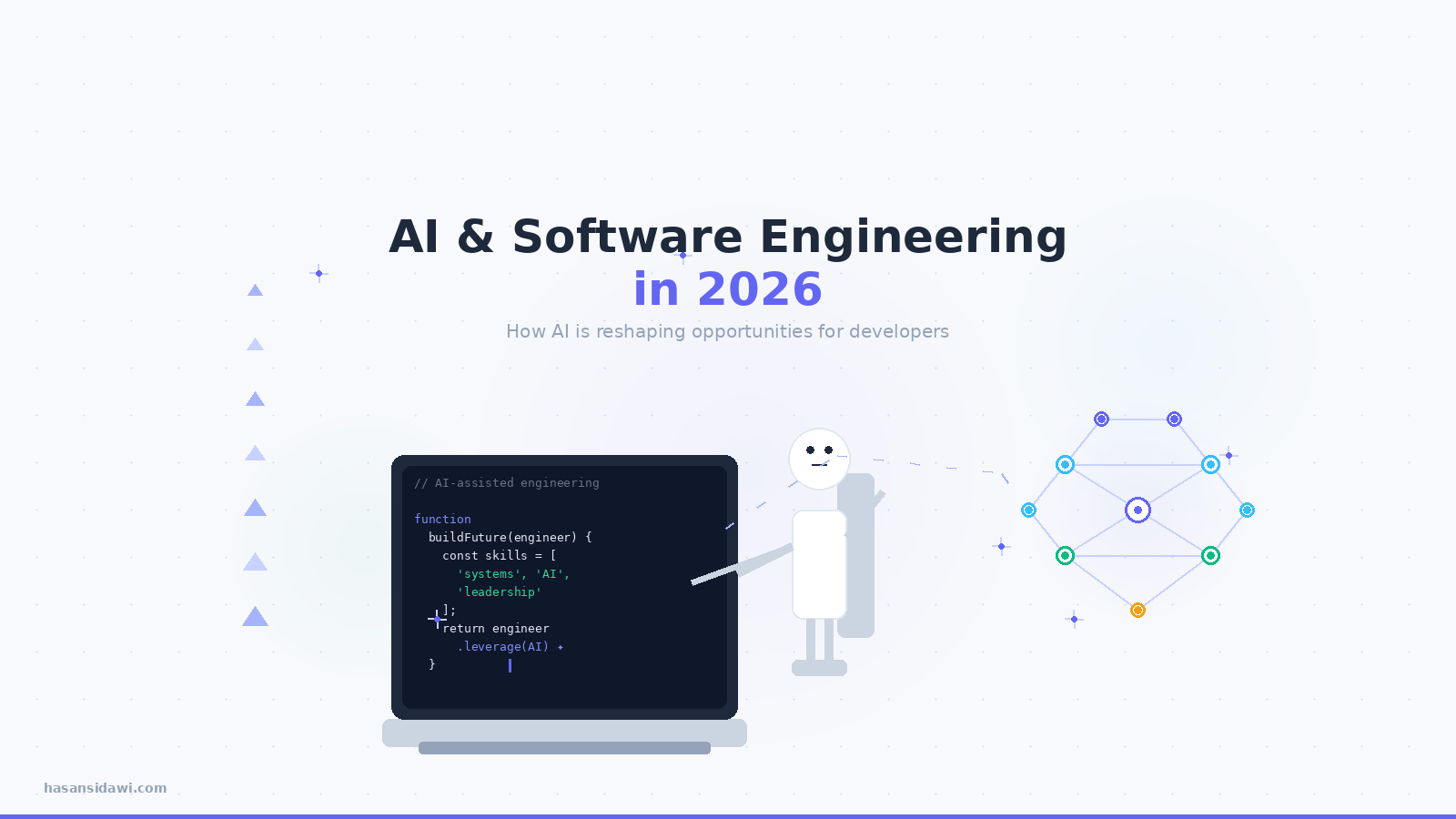
If you're a software engineer in 2026, you've probably had a complicated relationship with AI. On one hand, tools like GitHub Copilot, ChatGPT, and Claude have supercharged your productivity. On the other hand, you've likely wondered: Will AI eventually replace me?
The short answer is no — but the longer answer is far more nuanced. AI isn't eliminating software engineering jobs wholesale. Instead, it's reshaping the entire profession, creating new roles while rendering some traditional tasks obsolete.
Jobs That Are Declining
Let's be honest about the areas where AI is reducing demand:
- Routine CRUD application development — AI can now generate boilerplate code for simple web apps, APIs, and database operations with minimal human guidance.
- Manual testing and basic QA — AI-powered testing frameworks are replacing repetitive test-writing tasks.
- Junior-level code maintenance — Tasks like bug fixes in well-documented codebases and code refactoring are increasingly handled by AI assistants.
- Basic front-end development — No-code and AI-assisted platforms are reducing demand for straightforward UI implementations.
Jobs That Are Thriving
While some doors close, many more are opening. Here's where demand is surging:
- AI/ML Engineers — Companies need engineers who can build, fine-tune, and deploy machine learning models at scale.
- Prompt Engineers and AI Integration Specialists — A new breed of engineers who specialize in making AI tools work effectively within existing systems.
- Platform and Infrastructure Engineers — Someone still needs to build the systems AI runs on. Cloud architecture, MLOps, and data pipeline engineering are booming.
- Security Engineers — AI introduces new attack vectors, making cybersecurity expertise more valuable than ever.
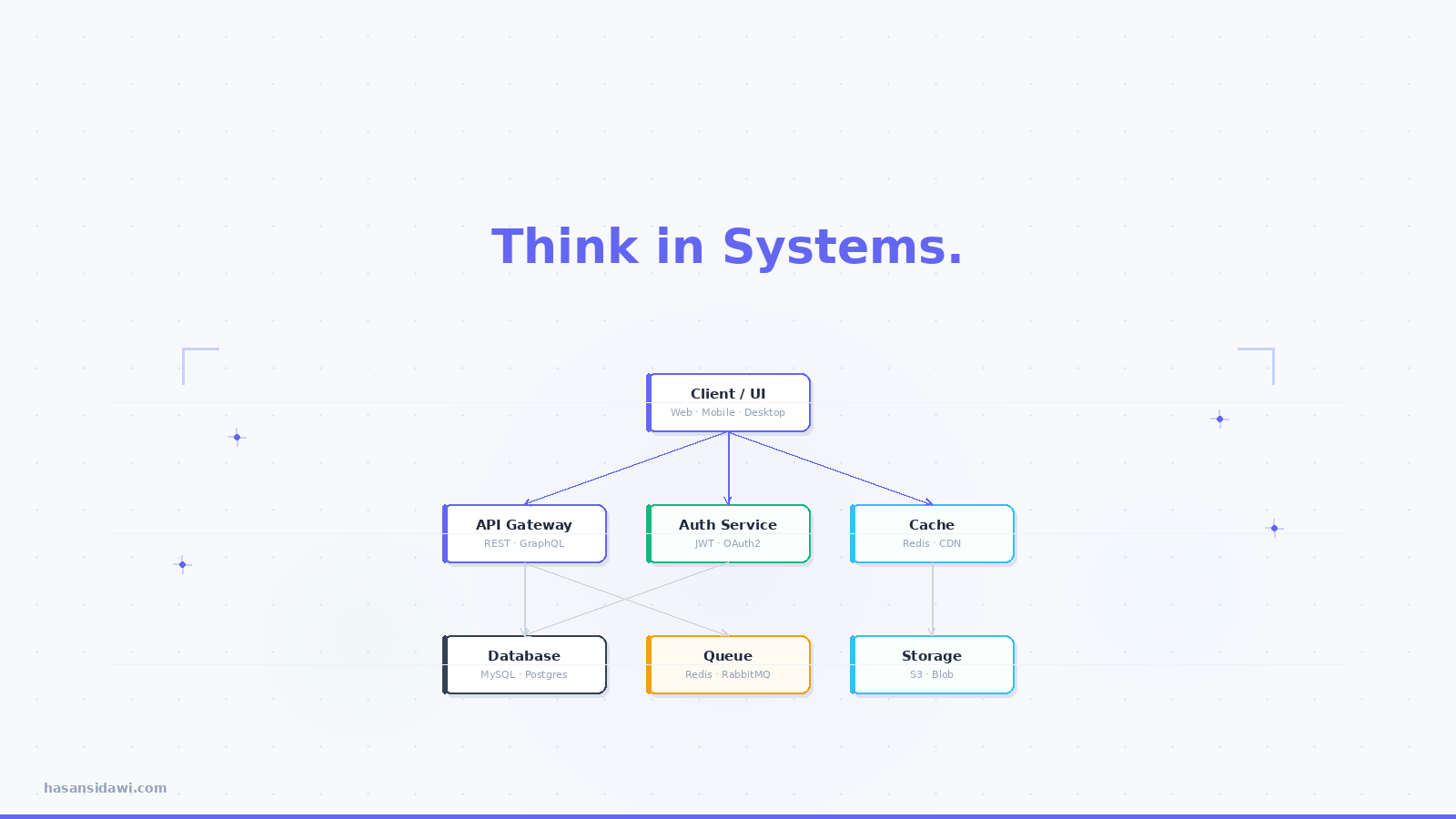
- Senior Architects and System Designers — AI can write code, but it still struggles with high-level system design, trade-off analysis, and cross-team technical leadership.
The Skills That Matter Now
The engineers who thrive in this new landscape share common traits. They focus on:
- Systems thinking — understanding how components fit together at scale
- AI literacy — knowing how to leverage AI tools effectively rather than fearing them
- Domain expertise — deep knowledge in healthcare, finance, or other verticals makes you irreplaceable
- Communication and leadership — the ability to translate business needs into technical solutions remains uniquely human
What Should You Do?
If you're a software engineer today, the worst strategy is to ignore AI. The best strategy is to embrace it as a force multiplier. Learn to use AI coding assistants fluently. Understand the basics of machine learning. Move up the abstraction ladder — focus on architecture, design, and problem-solving rather than writing every line of code by hand.
The engineers who will struggle are those who define their value by lines of code written. The engineers who will flourish are those who define their value by problems solved.
Final Thoughts
AI is not the end of software engineering — it's the beginning of a new chapter. The profession is evolving, and those who evolve with it will find more opportunities, higher impact, and more rewarding work than ever before. The question isn't whether AI will change your career. It's whether you'll be ready when it does.